North Salem Acreage Homes: A Smart Buyer’s Guide
May 14, 2026
Dreaming about more land, more privacy, and room to spread out in North Salem? Acreage can offer exactly that, but it also comes with questions you do not usually face on a typical suburban lot. If you are considering buying a home on land here, it helps to understand what that acreage really means, what you may be responsible for, and which local rules can affect your plans. Let’s dive in.
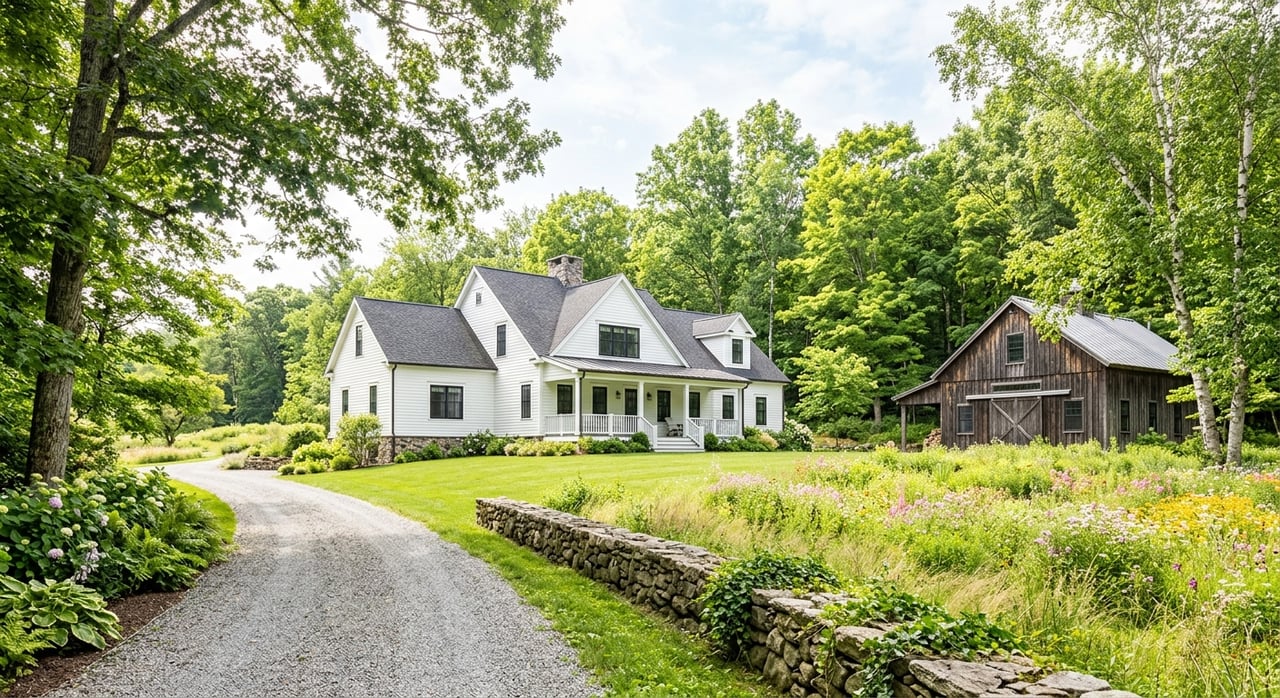
North Salem describes itself as a rural town in the northeast corner of Westchester County, with riding trails, open space, and a long farming history. The town’s planning goals focus on preserving rural character, agriculture, watersheds, aquifer recharge areas, and open land.
For you as a buyer, that means an acreage property in North Salem is often more than just a bigger yard. It can come with added land-management responsibilities, more private infrastructure, and more careful due diligence before you commit.
One of the biggest mistakes buyers make is assuming total acreage equals usable acreage. In North Salem, zoning and environmental constraints can reduce how much of a parcel truly counts toward minimum lot area or future building potential.
The town includes rural and low-density residential districts such as R-4, R-2, and R-1. In the R-4 district, the density factor is 0.25, which is practically read as about one dwelling per four acres. That alone shows why a 4-acre or 5-acre parcel does not always offer the same flexibility a buyer might expect elsewhere.
North Salem also limits how certain constrained land is counted. No more than 50% of land under water, within wetlands, in the 100-year floodplain, within utility easements, on slopes over 25%, or within a road line may count toward minimum lot area for residential uses.
That is a major local issue for acreage buyers. A property may look spacious on paper, but the part you can realistically use for a house, addition, driveway, barn, pool, or other improvements may be much smaller.
Before you move forward on an acreage home, ask for clear answers to these questions:
These are not small details. They can shape both your day-to-day enjoyment and the long-term value of the property.
In many parts of North Salem, central water and sewer service are not available. The town’s planning documents note that rural-density areas generally do not have those systems because of the cost of extending infrastructure.
That means many acreage homes rely on private wells and onsite septic systems. For buyers, these are often the most important due-diligence items in the transaction.
Westchester County has a specific private-well sale law for properties served by a private well. After a contract of sale is signed, the seller must arrange and pay for a water test and provide the buyer confirmation that the test has been ordered within 10 days.
The seller must then deliver the test report within five days of receiving the lab results. If the test shows a primary-parameter failure, the parties may negotiate repairs, cancel the contract, or proceed with the buyer taking responsibility for correction.
Even beyond the sale, New York State advises private well owners to test at least once a year for bacteria and every three to five years for other contaminants. The state also notes that well testing and maintenance are the owner’s responsibility.
For septic systems, Westchester County provides record searches for approved well and subsurface sewage treatment systems. That makes county records an important part of your pre-closing review.
Routine maintenance also matters. Typical septic pump-out or maintenance costs are about $250 to $500 every three to five years, which is usually far less expensive than dealing with system failure.
You will also want to understand how the land is used around the system. Drainfields are not designed for vehicles or heavy equipment, and certain materials should never be disposed of through septic systems or dry wells, including chemicals, solvents, petroleum products, and pesticides.
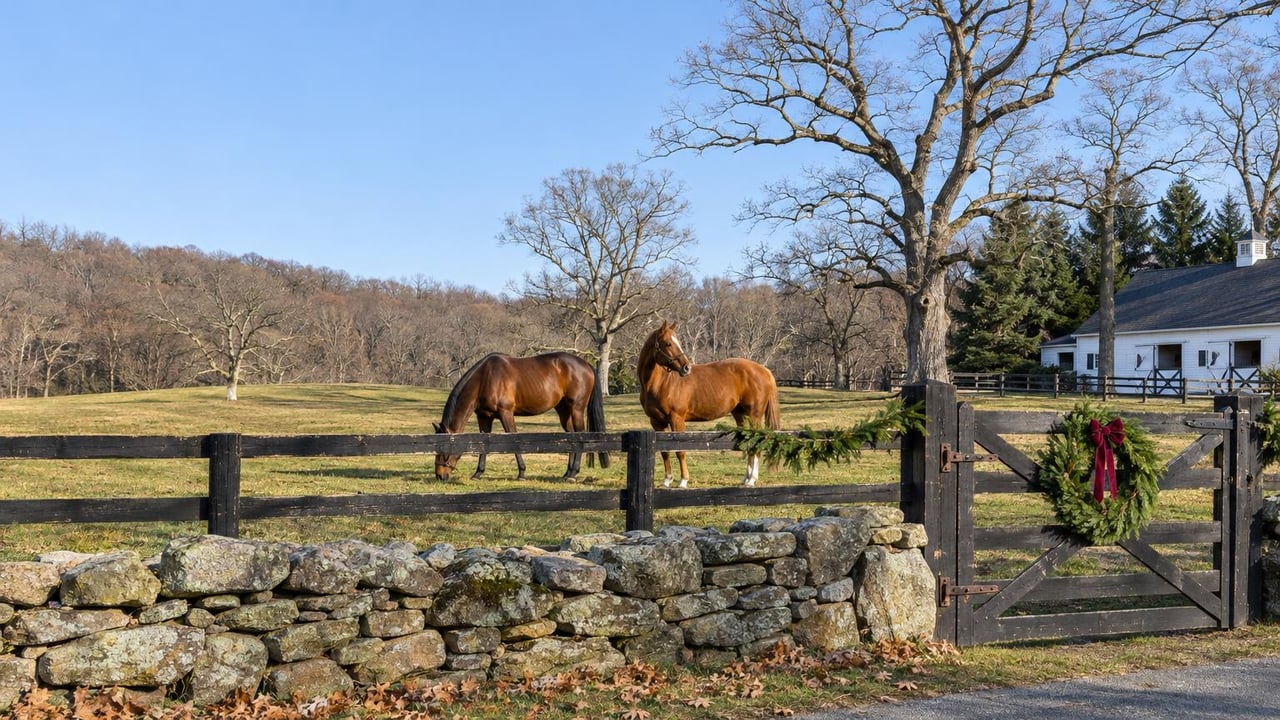
North Salem’s rural identity is not just marketing language. The town continues to emphasize horses, riding trails, open space, and agricultural land as part of its local character.
If you are buying here, it is smart to view nearby horse and farm activity as part of the normal landscape. That can be a benefit if you want a country setting, but it also means you should not assume the patterns of a more typical suburban subdivision.
North Salem’s zoning code includes standards for riding academies, boarding stables, breeding farms, and the keeping of horses on residential lots. The code addresses issues such as stall requirements, setbacks for manure and animal storage, screening, fencing, and horse density.
As a general rule, the town says no more than one horse per acre may be permitted on a site. So if your goal is to keep horses, you will want to verify exactly what the property supports under current local standards.
New York’s Agricultural Districts Law protects farmers from local laws that unreasonably restrict farm operations. Westchester County’s agricultural district materials identify North Salem among the included municipalities.
For you, that means it is worth reviewing not only the property itself, but also nearby parcels. If you are purchasing for peace, privacy, or a country lifestyle, understanding surrounding land use can help you avoid surprises later.
When buyers fall in love with an acreage home, they sometimes focus mostly on the house and views. In North Salem, long-term ownership costs and responsibilities often extend well beyond the structure itself.
The town’s planning documents place a strong emphasis on wetland protection, open-space preservation, watersheds, streams, lakes, and aquifer recharge. As a result, practical issues like drainage, driveway placement, tree clearing, and future improvements can be more complicated than they first appear.
If part of the parcel includes wetlands or steep slopes, those constraints can affect both what you do now and what you may want to do later. Even simple plans, such as expanding outdoor living space or changing access, may need a more careful review on an acreage property.
Some buyers are thinking not only about enjoying the home, but also about long-term flexibility. If a parcel could someday be subdivided or developed under average-density or cluster rules, there may be open-space land held in common ownership with ongoing tax, operation, and maintenance obligations.
That is why it is best to ask these questions before closing, not after. A property’s future potential is not something to guess at based on lot size alone.
If you are serious about buying a home on acreage in North Salem, this checklist can help you focus on the issues that matter most:
Acreage homes can be wonderful purchases in North Salem. The key is making sure you understand the land as thoroughly as you understand the house.
Buying in a rural, low-density market requires a different lens than buying in a more standard suburban setting. You may be evaluating zoning limits, constrained land, private infrastructure, and neighboring uses all at once.
That is where local market knowledge can make the process smoother. When you understand the questions to ask early, you can move forward with more confidence and avoid costly surprises.
If you are exploring homes on acreage in North Salem and want experienced, practical guidance, Lindsay Matthews can help you navigate the local market with clarity and confidence.
Stay up to date on the latest real estate trends.
Whether you are an experienced investor or a first-time buyer, I can help you find the property of your dreams with ease and confidence, ensuring a seamless and rewarding experience.