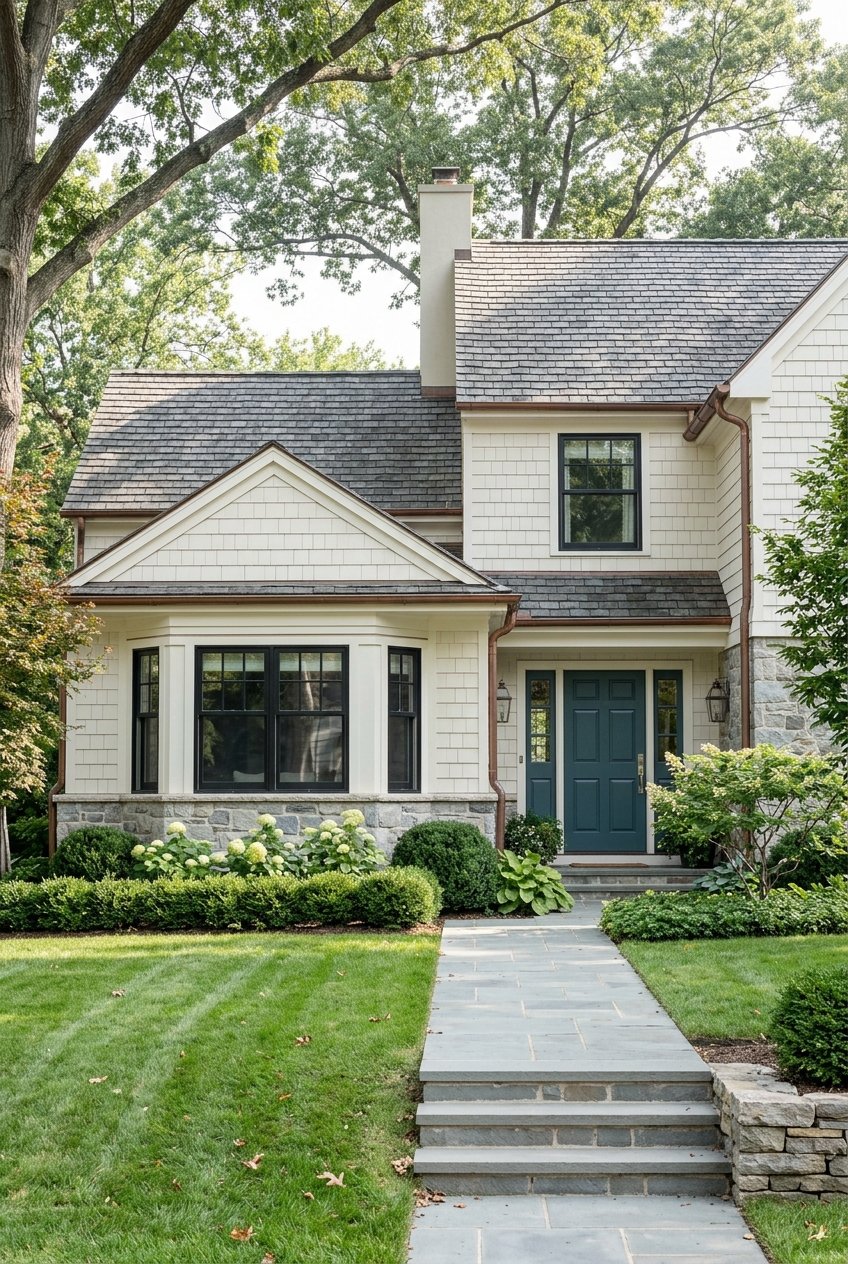
What Living in Armonk NY Is Like Day to Day
June 4, 2026
Thinking about living in Armonk, NY? If you want a Westchester lifestyle that feels polished, practical, and connected, Armonk stands out for its small-town center, strong recreation options, and commuter-friendly location. Whether you are relocating, moving up, or simply comparing Westchester communities, this guide will help you understand what daily life in Armonk really looks like. Let’s dive in.
Armonk is one of the three geographic areas in the Town of North Castle and serves as the seat of town government. According to current ACS 2024 5-year estimates, the community has about 4,429 residents across 5.9 square miles, which gives it a lower-density suburban feel rather than a busy village atmosphere.
The same data points to a mature and established residential market. The median age is 44.1, median household income is $230,357, and median owner-occupied home value is $1,073,300. For many buyers, that translates to a well-kept suburban setting with a more space-oriented lifestyle.
One of the biggest draws of Armonk is how manageable everyday life can feel. You are not moving here for a dense downtown or nonstop nightlife. You are moving here for a comfortable rhythm that blends convenience, local businesses, and a strong sense of community.
The center of daily errands and social activity is largely anchored around Main Street and nearby retail spots. Local businesses listed by the Armonk Chamber of Commerce include DeCicco & Sons on Maple Avenue, Tazza Cafe on Main Street, Amore Pizzeria and Italian Kitchen at Kent Place, Meraki Taverna in the CVS shopping center on Main Street, and Beehive Restaurant on Old Route 22.
That mix supports a lifestyle where your coffee stop, grocery run, casual dinner, and a few key services are all close at hand. The North Castle Public Library, located just behind Main Street, adds to that easygoing, practical village-center feel.
Armonk works well for people who want suburban living without feeling isolated. The commercial core is compact, but it covers many everyday needs. That is often a sweet spot for buyers who want a town center they will actually use.
The local dining scene is varied in a way that suits the size of the community. Tazza Cafe offers coffee and breakfast or lunch, Amore covers casual Italian, Meraki adds Greek and Mediterranean options, and Beehive offers a more polished dinner setting. Instead of a major restaurant district, you get a low-key local lineup that fits daily life.
Lifestyle is not just about where you shop or eat. It is also about how a place feels over time, and Armonk has a calendar of recurring community events that helps create that sense of rhythm.
The Armonk Chamber of Commerce highlights events such as Summer Concerts, the Cider and Donut Festival and Jamie’s 5K Run for Love, and Halloween on Main. These events help define the town’s social life and give residents regular opportunities to gather close to home.
For buyers considering a move, this matters. It suggests that Armonk is not only functional, but also active in a community-minded way.
If outdoor space is part of your ideal lifestyle, Armonk offers strong local options. North Castle says its parks and recreation system preserves nearly 350 acres of parkland, which gives residents access to both active recreation and quieter natural settings.
North Castle Community Park is one of the main everyday anchors for recreation in Armonk. It includes a walking and running track, platform tennis, all-weather tennis courts, soccer and baseball fields, a playground, and a picnic pavilion.
Wampus Brook Park offers a different pace. With its gazebo bandstand, brook, waterfowl, and quiet sitting areas, it adds a more relaxed outdoor option right in town.
For people who want more of a nature experience, Betsy Sluder Nature Preserve is a 70-acre conservancy for hiking, bird watching, and nature observation. That variety is part of what makes Armonk attractive to buyers looking for a suburban setting with easy access to open space.
Armonk’s recreation profile goes beyond fields and trails. North Castle’s recreation department links residents to local sports organizations, which points to a broader network of organized community activities.
The town also provides senior transportation and grocery-shuttle services from Armonk. That is an important part of daily-life infrastructure because it reflects a community that supports residents across different life stages.
For many buyers, schools are part of how they evaluate a town’s day-to-day structure and identity. In Armonk, the Byram Hills Central School District is a visible local presence.
The district office is in Armonk, and its schools include Coman Hill Elementary, Wampus Elementary, H.C. Crittenden Middle School, and Byram Hills High School. Even if school decisions are not your main factor, the district’s presence is part of the fabric of the community.
Armonk is best understood as a road-linked suburb. North Castle identifies Route 22, Route 128, King Street and Route 120, and Interstate 684 as the major connectors, which shapes how many residents move through daily life.
If you commute for work, errands, or regional access, road convenience is a major part of Armonk’s appeal. This is not primarily a rail-town lifestyle where you walk to a station. Instead, many residents rely on driving and nearby transit hubs.
According to ACS data, the mean commute time is 34.3 minutes. That number helps set expectations for buyers who want suburban space while staying connected to larger employment centers in the region.
Public transit is available, but it works more as a connection system than a walkable in-town network. Westchester’s Bee-Line Route 12 runs between Armonk and White Plains.
Nearby White Plains and North White Plains Metro-North stations provide Harlem Line service with bus connections. North White Plains is also noted as an accessible station with elevators, tactile warning strips, and audiovisual passenger information systems.
For many residents, that means Armonk can support a hybrid commute pattern. You may drive locally, connect to bus service, or use a nearby rail station depending on your routine.
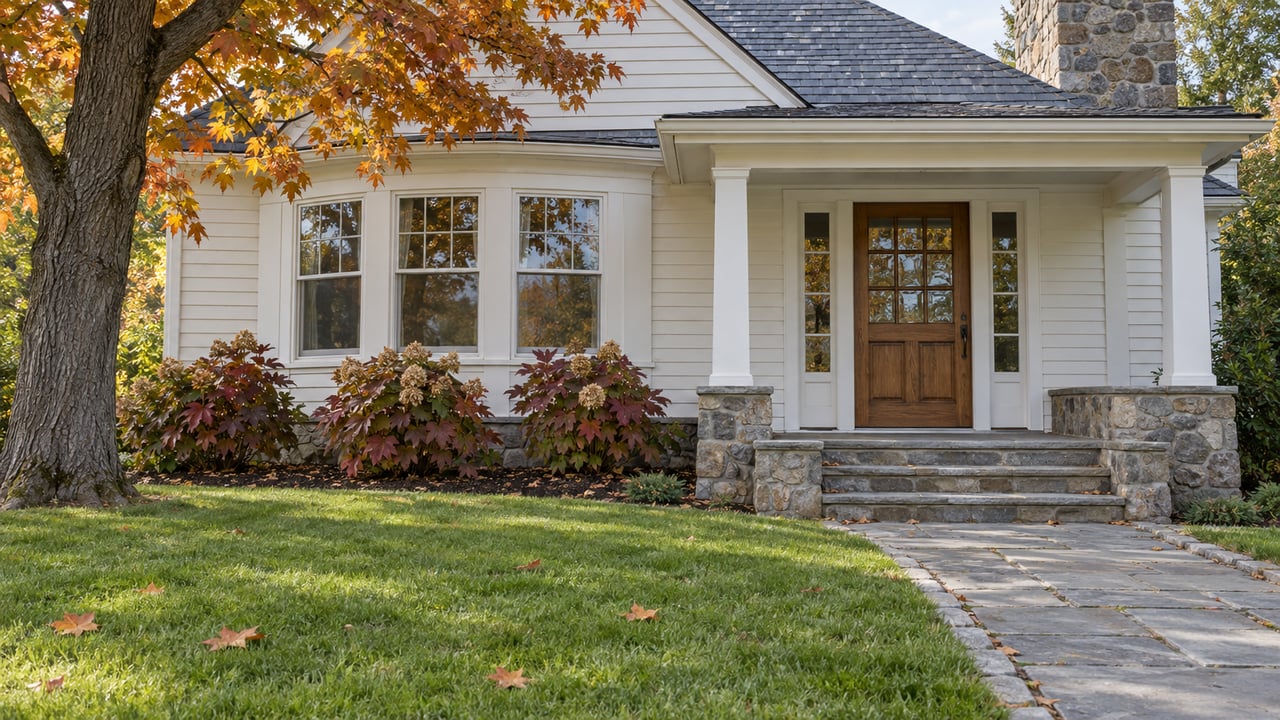
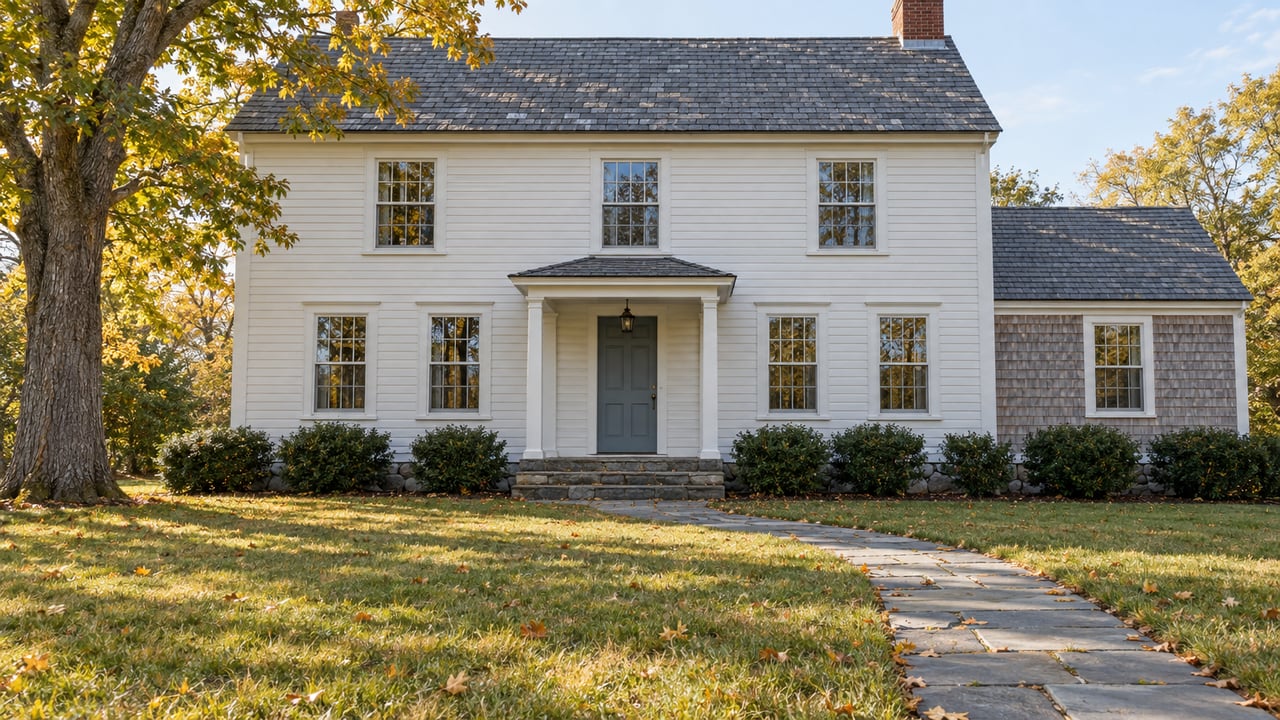
Armonk’s housing stock helps define its lifestyle. ACS figures show 1,522 housing units, and about 86% of the housing stock is single-unit homes.
That matters because it supports the overall feel of Armonk as a space-oriented suburb. Buyers looking for detached homes, more privacy, and a residential setting will likely find that the housing mix aligns with those priorities.
The median owner-occupied home value of $1,073,300 also reflects the market’s pricing level. In practical terms, Armonk tends to appeal to buyers seeking an established Westchester suburb with a higher-end housing profile.
Armonk can be a strong fit if you want a suburban lifestyle with a compact center, local events, and solid recreation options. It may also appeal to buyers who value access to major roads and nearby rail connections rather than depending on a walk-to-train setup.
You may especially appreciate Armonk if you are looking for:
When you are choosing where to live, square footage and price are only part of the picture. Your everyday experience matters just as much, including how you run errands, spend weekends, commute, and connect with the community around you.
That is where Armonk has a clear identity. It offers a refined but approachable Westchester lifestyle centered on space, convenience, recreation, and a small but active town core.
If you are exploring Armonk or comparing it with nearby Westchester towns, working with someone who understands the nuances of each local market can make the process much easier. Lindsay Matthews offers thoughtful, hands-on guidance for buyers and sellers who want clear advice and a personalized approach.
Stay up to date on the latest real estate trends.
Whether you are an experienced investor or a first-time buyer, I can help you find the property of your dreams with ease and confidence, ensuring a seamless and rewarding experience.