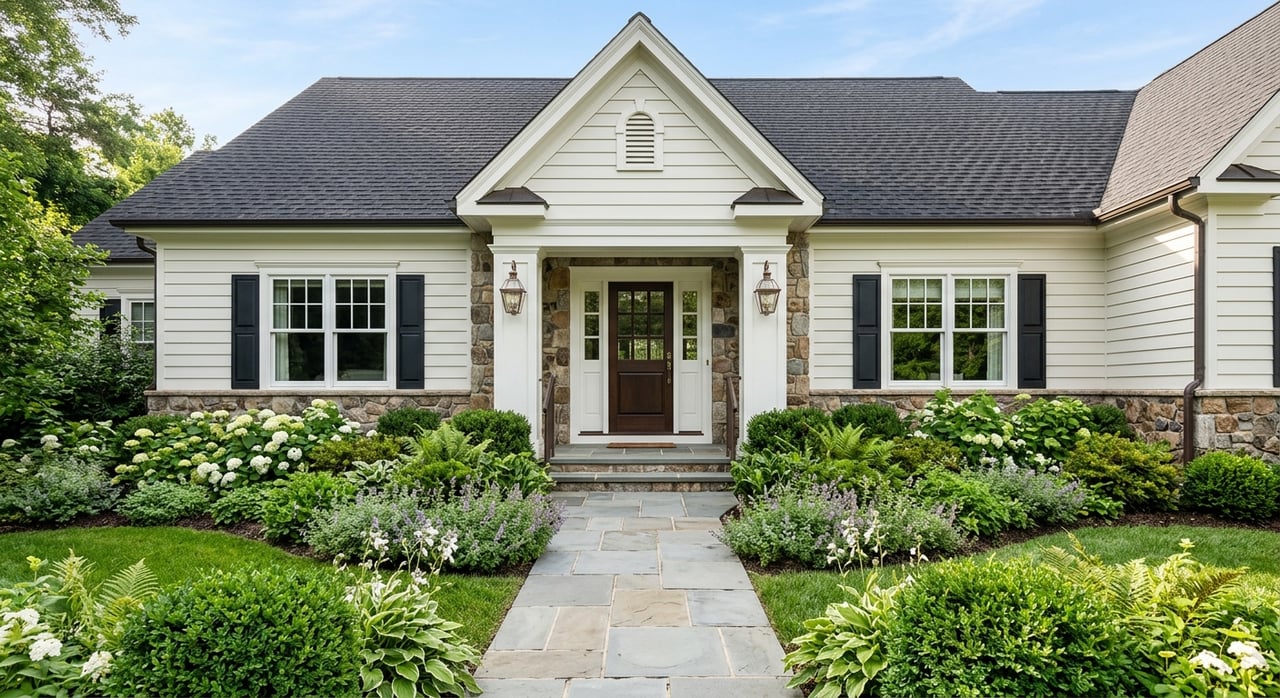
Armonk Pre-Listing Checklist for Savvy Home Sellers
April 23, 2026
Thinking about selling your Armonk home? In a market where buyers are still paying strong prices, the homes that stand out tend to be the ones that feel polished, well-documented, and ready from day one. If you want to reduce surprises, protect your negotiating position, and make a stronger first impression, a solid pre-listing plan matters. Here is a practical checklist to help you get your home ready before it goes live.
Armonk remains a high-value market, which means buyers often come in with clear expectations about condition, presentation, and pricing. Redfin reports a February 2026 median sale price of $1.1 million in Armonk, with homes taking about 25 days to sell.
At the county level, [OneKey MLS data summarized by Houlihan Lawrence market reporting via the research provided] is reflected in the broader Westchester trend: single-family homes closed at a $922,000 median sales price in March 2026, spent 53 days on market, and averaged 101.0% of original list price. In a market like this, strong pricing is possible, but incomplete prep can give buyers room to negotiate.
Before you think about photos or showings, focus on the home itself. Your goal is to understand what a buyer is likely to notice and what may come up during due diligence.
A pre-sale inspection is not required, but the National Association of Realtors notes that it can help identify issues with the structure, roof, plumbing, electrical, HVAC, insulation, interiors, and more. It may also flag concerns like mold, radon, lead paint, or asbestos.
NAR also explains that a pre-listing inspection can reduce the chance of surprises during the buyer's inspection, which can be especially useful in a competitive market. Even if you do not plan to fix everything, the report can help you decide whether to repair, credit, disclose, or price accordingly.
Once you know the home's condition, sort issues into three groups:
If something major comes up, you do not always need to complete the work before listing. According to NAR's inspection guidance, sellers often weigh whether to repair an issue, offer a credit, or disclose the condition and adjust pricing strategy.
Paperwork may not be the most exciting part of selling, but it can save time and reduce friction once you have a serious buyer.
New York requires most sellers of residential real property to complete and sign a Property Condition Disclosure Statement before the buyer signs a binding contract of sale. If the seller does not provide it, the buyer receives a $500 credit at closing.
The form generally applies to 1-4 family homes, not condos or co-ops, and it covers topics like easements, shared features, utility surcharges, certificates of occupancy, floodplain status, flood insurance requirements, and HOA or common-area matters. Completing this early gives you time to gather accurate information.
If your home was built before 1978, federal law requires specific lead-related disclosures. The EPA explains that sellers must provide the EPA/HUD lead pamphlet, disclose any known lead-based paint information, include a lead warning statement, and give the buyer a 10-day opportunity to inspect unless that period is waived in writing.
If you have completed work that disturbed painted surfaces, it is also worth confirming that any contractors followed the proper lead-safe practices.
Buyers often ask for paperwork tied to the systems and appliances staying with the home. NAR recommends pulling together manuals, warranties, and guarantees in advance so they are ready when needed.
This small step can make your transaction feel more organized and help support buyer confidence.
In Armonk, permit history matters. Since Armonk is part of the Town of North Castle, it is smart to confirm that visible improvements are properly documented before your home is marketed.
The North Castle Building Department notes that a Certificate of Occupancy or Certificate of Compliance is issued after a project is complete, and a temporary certificate may be issued when only part of a project is finished. The town also notes that certain larger residential projects require additional review.
If you added a deck, pool, finished space, addition, or other exterior improvement, gather the related approvals and sign-offs now. Missing documents can slow a deal or raise questions once a buyer starts reviewing the property.
The town also explains that the Architectural Review Board and Residential Project Review Committee review certain residential projects and permit applications. For sellers, the practical takeaway is simple: if work was done, have the records organized.
A clean file can include:
One of the most effective pre-listing steps is also one of the simplest. Remove as much visual distraction as possible so buyers can focus on the home itself.
According to NAR's 2025 staging profile, the most common seller recommendations were decluttering, whole-home cleaning, and curb appeal improvements. That same report also found that photos, videos, and physical staging carried significant weight with clients.
Go room by room and remove anything that makes the space feel crowded or overly personal. This may include extra furniture, piles of paperwork, overflowing shelves, and small decor items that visually compete with the room.
Your goal is not to erase character. It is to make the layout, light, storage, and flow easier to see.
A clean house reads as a well-maintained house. Prioritize kitchens, baths, floors, windows, baseboards, and any area where dust, water spots, or wear show easily.
Before showings, NAR recommends a practical reset: clear counters, wipe surfaces, neutralize odors, open window treatments, turn on lights, hide valuables and medications, and clear paths to the home. These details have a real impact on first impressions.
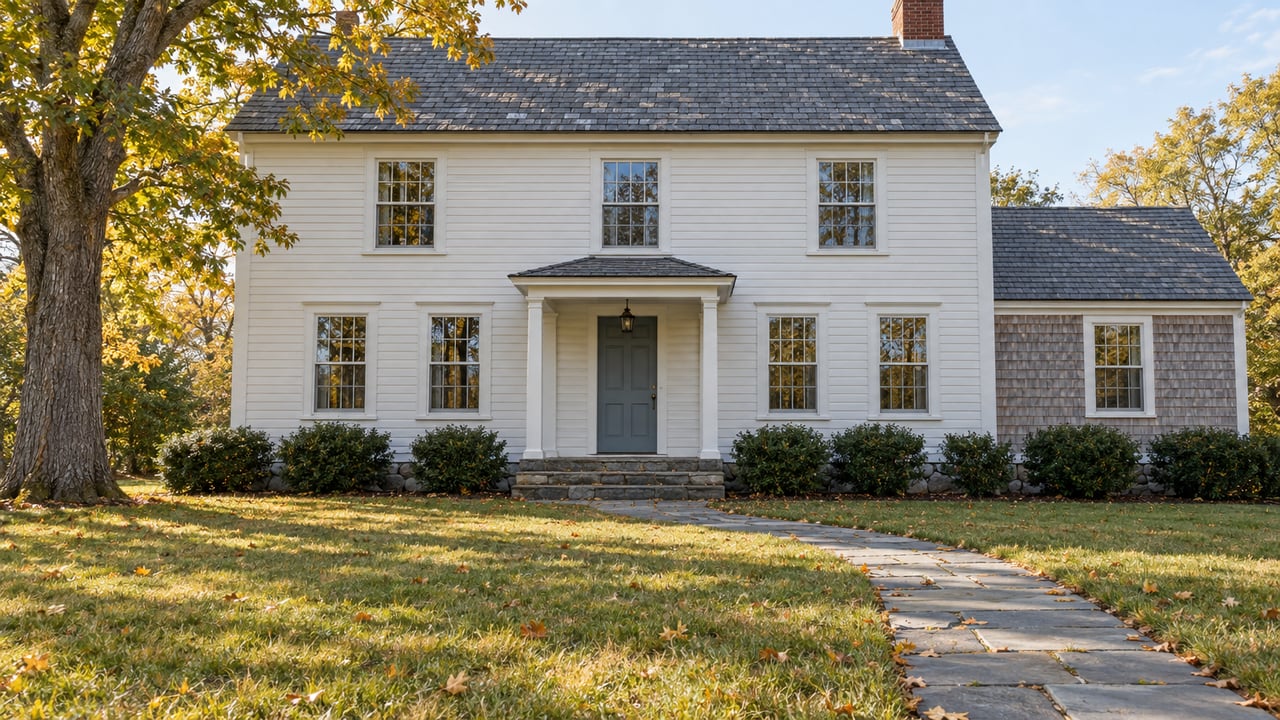
In a digital-first market, the outside of your home is not just what buyers see from the street. It is often the first thing they see online.
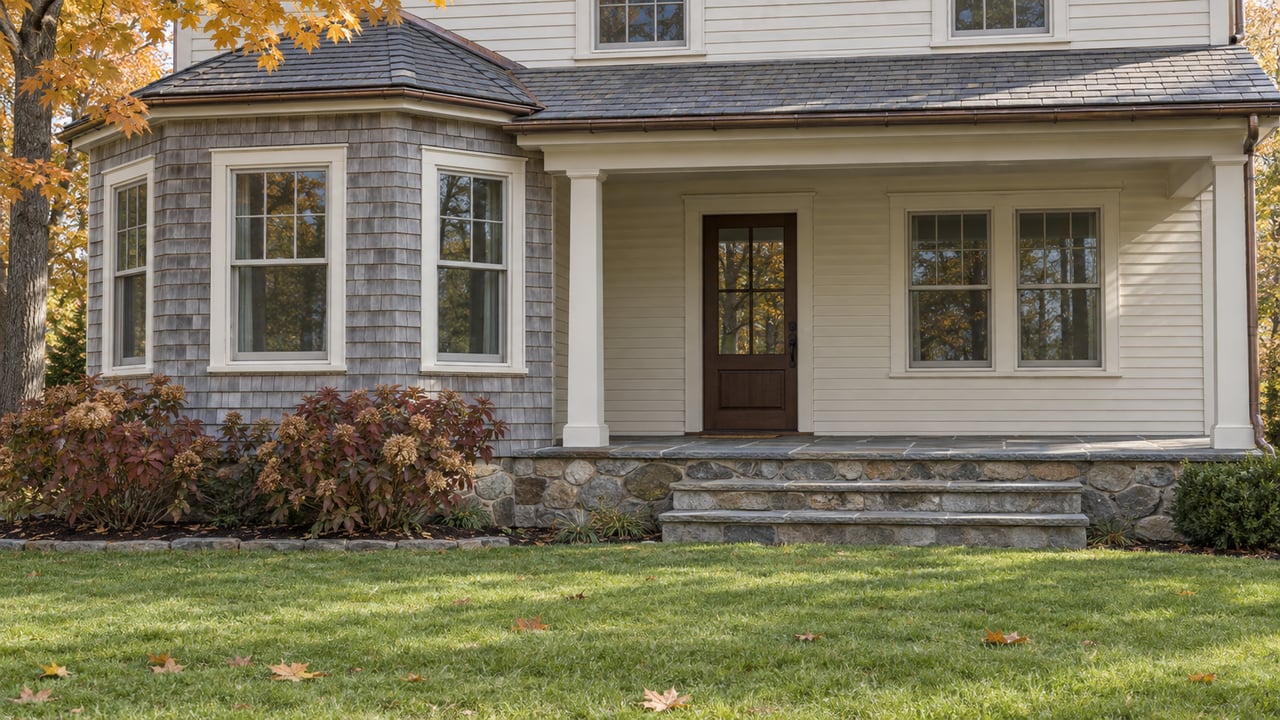
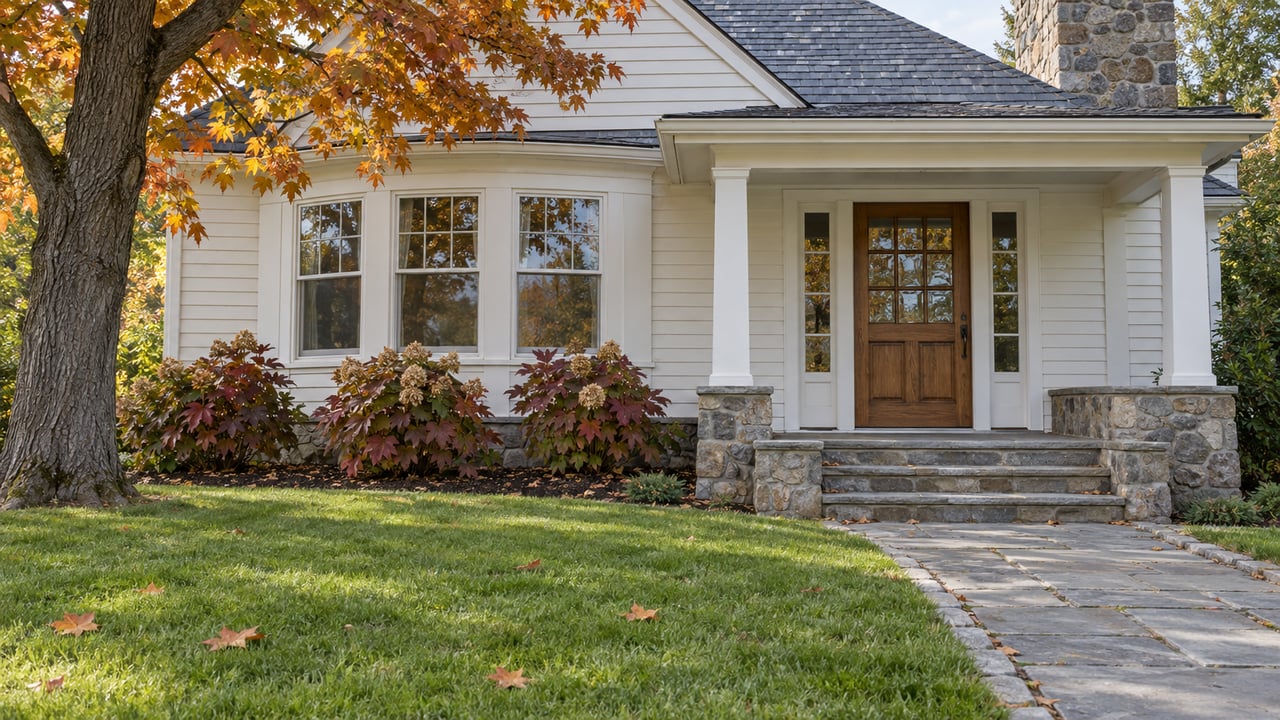
NAR recommends improvements such as landscaping, paint touch-ups, and professional presentation before listing. For an Armonk home, that usually means mowing, trimming, cleaning up beds, refreshing the front entry, and making sure the walkway and driveway feel neat and easy to navigate.
Even small updates can help the exterior look cleaner and more current in photos.
High-quality visuals matter, but accuracy matters too. The New York Department of State warned that AI-generated or exaggerated listing images can mislead buyers and reminded brokers that advertising must honestly and accurately depict the property.
That makes professional, well-lit, truthful photography the right approach. Good marketing should highlight your home's strengths without creating expectations the property cannot meet in person.
Before your home hits the market, try to have the following items completed or in progress:
This kind of preparation helps you launch with fewer loose ends and a stronger story for buyers.
Selling well is not just about listing at the right price. It is about showing buyers that your home has been cared for, presented thoughtfully, and documented clearly.
In Armonk, where values remain strong and buyers are paying attention to detail, pre-listing prep can help you protect your leverage and create a smoother path from launch to closing. If you are getting ready to sell and want a tailored plan for your timeline, property, and goals, connect with Lindsay Matthews for thoughtful guidance and high-level listing support.
Stay up to date on the latest real estate trends.





Whether you are an experienced investor or a first-time buyer, I can help you find the property of your dreams with ease and confidence, ensuring a seamless and rewarding experience.