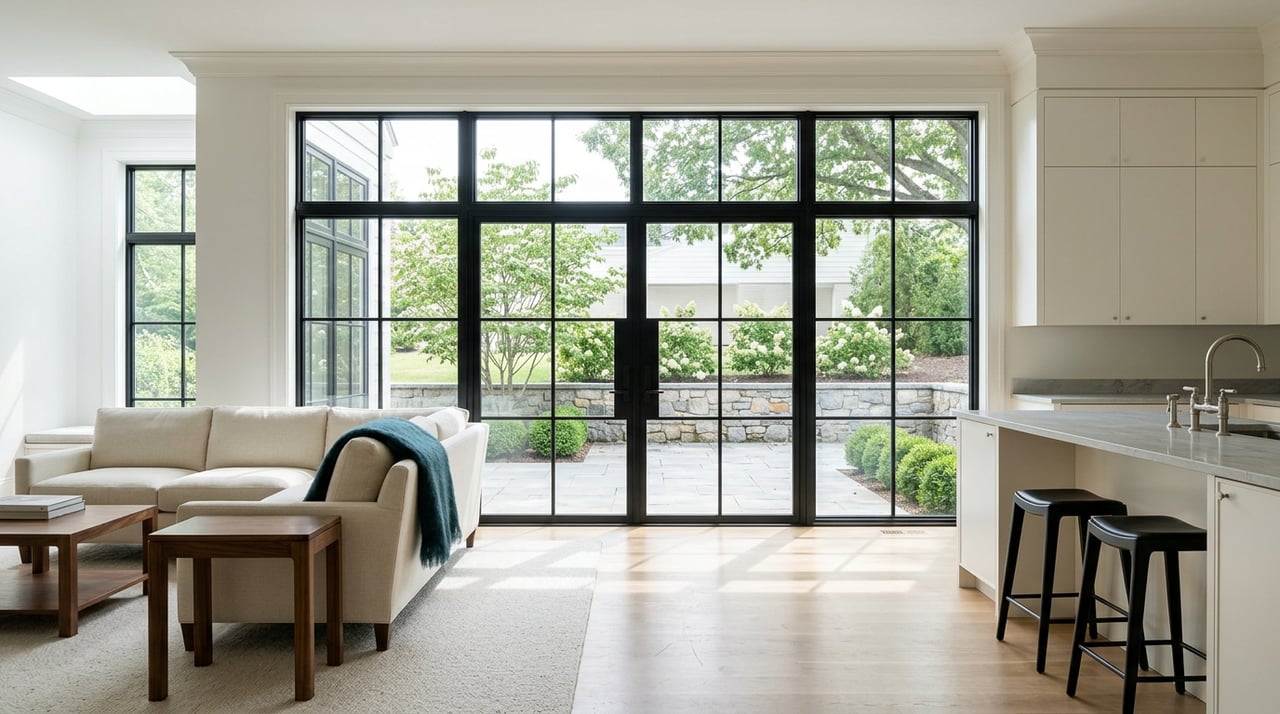
Selling a Home in Chappaqua: Smart Timing Tips
July 9, 2026
If you are thinking about selling your home in Chappaqua, timing can shape everything from buyer interest to your final sale price. It is easy to get lost in big headlines, especially in a small market where a handful of sales can skew the numbers. The good news is that with the right preparation, pricing, and launch plan, you can make smart decisions with confidence. Let’s dive in.
Chappaqua is currently a high-price, low-inventory seller’s market. As of May 2026, major housing portals showed a limited number of homes for sale, strong list prices, and fast-moving listings. Depending on the source, the market showed roughly 23 to 30 homes for sale, with homes often going pending in about 17 to 23 days.
That kind of pace matters if you are planning to sell. It suggests that well-prepared homes can attract attention quickly, especially when they are priced in line with recent comparable sales. It also means buyers are likely watching new listings closely because inventory remains tight.
Another signal of seller leverage is the sale-to-list ratio. Recent Chappaqua data showed homes selling at about 111.6% to 115% of list price, and about 60.1% of homes sold above list price in one recent reporting window. While not every property will follow that pattern, it points to strong demand for homes that are marketed and priced well.
If you have looked at multiple real estate websites, you may have noticed that the numbers do not always match. In Chappaqua, that is especially common because the market is small and transaction volume can be limited. A few higher-end or lower-end sales can shift averages and medians in a big way.
For example, one recent source showed a much lower median sale price than other sources, partly because it captured only five sales over the prior three months. That does not mean the market suddenly changed. It means broad snapshots are useful for context, but your home’s likely value depends much more on recent neighborhood comps, condition, price point, and buyer demand for your property type.
This is why a townwide average should never be your only pricing guide. In a market like Chappaqua, one custom estate and one smaller home can tell very different stories. Sellers usually get the best results when pricing is built from the ground up using relevant, current comps.
Chappaqua does not operate in a vacuum, so it helps to look at Westchester County as a whole. OneKey MLS data for spring 2026 showed steady seller advantage across the county. For single-family homes, median sales prices rose to $1.2 million in May, days on market improved to 39, and the percent of original list price received climbed to 106.8%.
Inventory did rise during the spring, which is normal. Westchester single-family inventory increased from 535 homes in February to 971 in May, and new listings also climbed meaningfully over that period. Even so, broader OneKey MLS data showed months of supply at 3.8 in April 2026, which is still below the six-month level often associated with a more balanced market.
For you as a seller, that means spring can bring more competing listings, but not necessarily weaker conditions. Buyers are still active, and low overall supply can continue to support strong negotiation power for well-positioned homes.
For many sellers, the best launch window is early to mid spring. National seasonal research for 2026 identified the week of April 12 through April 18 as the strongest week to list, based on patterns tied to pricing, demand, speed, and competition. That does not guarantee the same exact week is best for every home, but it supports what local Westchester data also shows.
From winter into spring, inventory and new listings tend to rise while days on market improve by April and May. In plain terms, buyers are active, more homes are entering the market, and prepared sellers have a good opportunity to meet demand. That is why many successful spring sellers begin getting ready in late winter rather than waiting until the last minute.
Still, timing is only one part of the equation. In Chappaqua, where homes can sell in two to three weeks and often above asking, waiting for the “perfect” week matters less than launching with a polished presentation and a sharp pricing strategy.
In a thin-inventory market, buyers compare value and condition carefully. When choices are limited, a home that feels move-in ready, well maintained, and correctly priced can stand out fast. On the other hand, even in a strong market, buyers may hesitate if a home appears dated, poorly presented, or overpriced.
That makes pre-listing preparation one of the most important parts of your timeline. Before your home hits the market, it helps to focus on the details that shape first impressions and buyer confidence.
A smooth launch often comes from doing this work before buyers ever see the listing. That is especially true in Chappaqua, where buyers may move quickly once a strong home comes to market.
When homes are selling above list price, some sellers assume the highest possible asking price is the safest move. In reality, overpricing can slow momentum and reduce the sense of competition that helps drive strong offers. In a market with careful, well-informed buyers, the right list price is usually the one that creates interest quickly and supports a strong negotiation position.
Pricing should reflect the most recent and relevant comps, not just online estimates or broad town averages. It should also account for your home’s condition, updates, lot characteristics, and how it compares to active competition. In a small market like Chappaqua, this type of home-specific analysis matters a lot.
The goal is not simply to list high. The goal is to position your home so buyers see clear value the moment it hits the market.
If you are selling most one- to four-family residential properties in New York, you generally need to provide the Property Condition Disclosure Statement before the buyer signs a binding contract of sale. The form is based on your actual knowledge, and if new information later makes the original disclosure materially inaccurate, it must be updated.
This requirement does not apply to every property type. According to New York State, condominium units and cooperative apartments are excluded from the state form. If your home falls into a category where the form applies, it is smart to review it early so there are no avoidable delays.
For homes built before 1978, federal lead-based paint disclosure rules may also apply. If that describes your home, it is worth reviewing known information and records before listing so you are prepared from the start.
If your goal is to sell in spring, late winter is often the best time to begin. That gives you time to make repairs, review pricing, complete disclosures, and prepare marketing materials without rushing. Since many sellers take a month or less to get ready, starting early can help you avoid a compressed timeline.
This kind of plan can help you take advantage of seasonal demand while keeping control over the process.
Chappaqua remains a strong market for sellers, but that does not mean every listing will perform the same way. Local data points to low inventory, fast-moving homes, and strong sale-to-list ratios. At the same time, small transaction volume means broad market averages can be misleading if they are not backed by home-specific analysis.
If you want to maximize your result, focus on the factors you can control: timing, preparation, pricing, and presentation. When those pieces work together, you put yourself in a much better position to attract serious buyers and negotiate from strength.
If you are thinking about selling in Chappaqua and want a tailored plan for your home, Lindsay Matthews offers thoughtful, hands-on guidance backed by deep local market knowledge and elevated listing strategy.
Stay up to date on the latest real estate trends.





Whether you are an experienced investor or a first-time buyer, I can help you find the property of your dreams with ease and confidence, ensuring a seamless and rewarding experience.