Guide to Selling Equestrian Property in North Salem
July 23, 2026
If you are selling an equestrian property in North Salem, you are not marketing a typical home. You are selling a property where land, barn function, access, and local rules all shape value just as much as the residence itself. The good news is that with the right preparation, clear documentation, and thoughtful presentation, you can help buyers understand exactly what makes your property work. Let’s dive in.
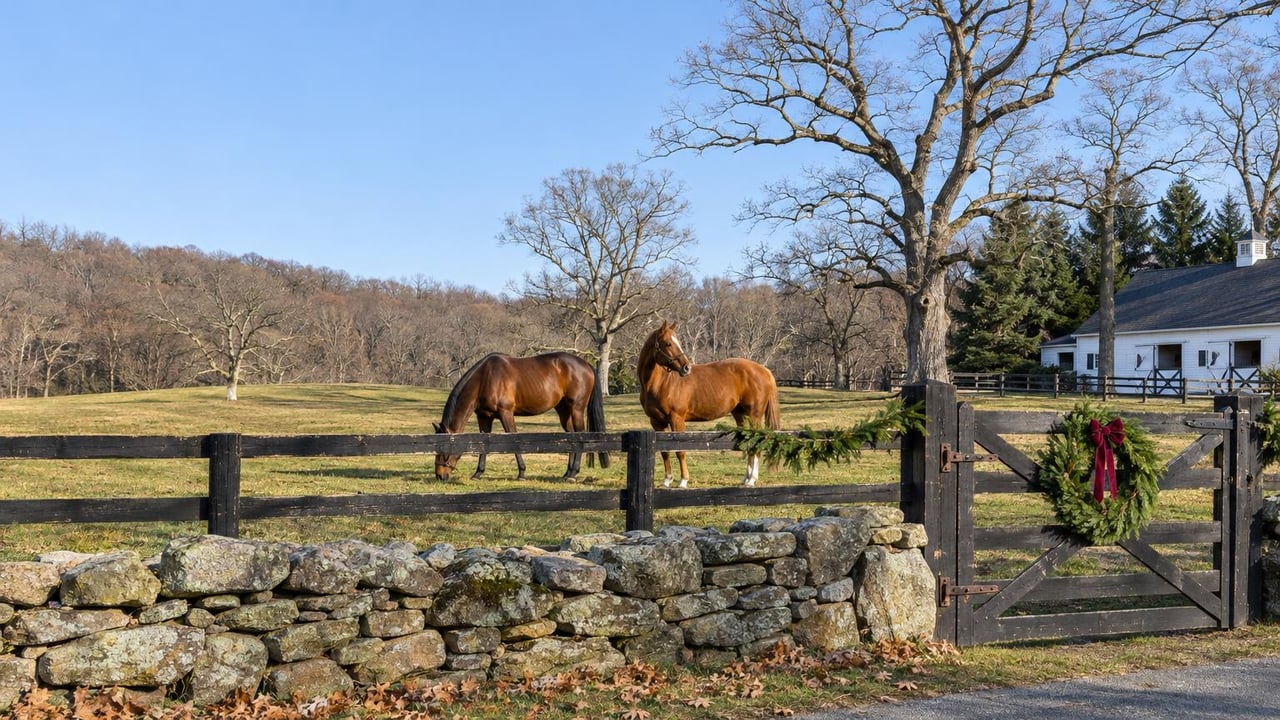
North Salem has a distinct identity within Westchester County. The town sits in the county’s northeast corner, covers about 24 square miles, and has a strong rural character shaped by open space, agricultural land, and equestrian use.
That identity is not just visual. The town highlights riding trails, open land, and train access to New York City, which gives North Salem broad appeal for buyers seeking both country function and regional convenience. Old Salem Farm also serves as a major equestrian anchor in the area.
North Salem’s open-space report estimated about 2,320 acres of agricultural land, which is roughly 16% of town land. That active farm base includes horse farms, hayfields, orchards, cattle farms, and vineyards, which reinforces the area’s pastoral setting and makes horse properties part of a larger land-based market.
When a buyer tours an equestrian property, they usually assess the horse operation before they fully absorb the house. They want to know whether the property works day to day, whether facilities are practical, and whether the site supports safe, efficient horse use.
In North Salem, that often starts with the relationship between barn, paddocks, driveway access, trailer circulation, and turnout areas. If movement around the property feels easy and logical, buyers notice. If it feels tight, unclear, or improvised, they notice that too.
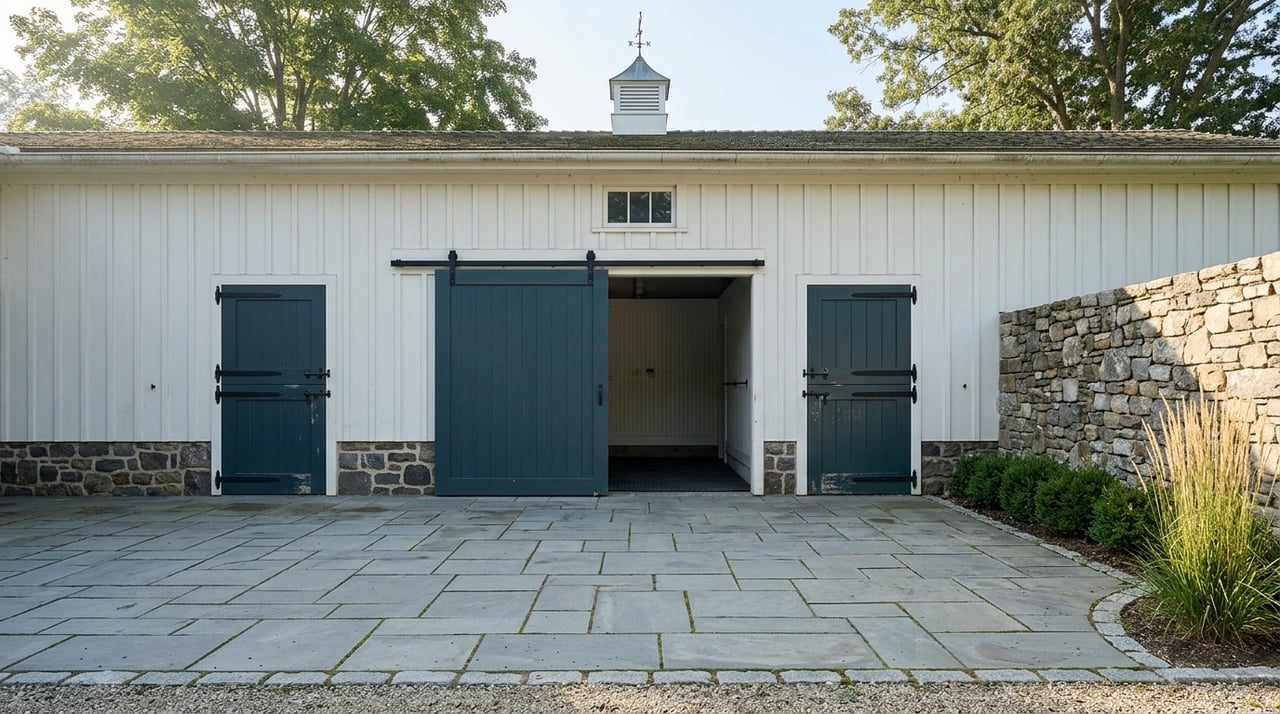
Buyers tend to view the barn and land as one working system. A horse barn should support safety and flexibility, with room for hay, grain, bedding, tack, and special-use stalls.
Guidance on equine facility design also points to the importance of practical layouts and adequate ventilation. Poor ventilation is a common issue in horse barns, and buyers may pay close attention to heat, odors, dust, mold, and ammonia.
Before listing, look at your barn through a buyer’s eyes:
The acreage number alone rarely tells the whole story. Buyers will want to understand how the land is actually used, how turnout is managed, and whether the pasture setup supports horses in a practical way.
Cornell guidance notes that effective fencing is essential and suggests that perimeter fencing paired with temporary paddocks can support rotational grazing. Cornell also states that about 2.5 acres per horse of grazing land is a very good idea during the growing season, which gives buyers a useful lens for evaluating field capacity.
That does not mean every buyer expects the same setup. It does mean they will likely study the quality of paddocks, pasture condition, water access, footing, and erosion control.
One of the most important parts of selling an equestrian property is confirming what exists on the property and how it aligns with local rules. Buyers often ask detailed questions early, and strong answers can make a listing feel more credible and easier to underwrite.
North Salem’s zoning code specifically regulates riding academies, boarding stables, breeding farms, and the keeping of horses on residential lots as conditional uses. The code also addresses one stall per horse, setback rules for stabling and manure storage, fencing requirements in appropriate locations, a general rule of no more than one horse per acre, and manure planning requirements.
Because these details can affect buyer confidence, it helps to review them before your property goes live. If there were approvals, special permits, or site-specific permissions tied to horse use, assemble them early.
New York’s Agricultural Districts Law is designed to protect and promote farmland. North Salem’s forms page also instructs applicants to assemble an agricultural-district statement by identifying nearby property owners within 500 feet and checking the county agricultural district map.
For a seller, this is a reminder to verify district status and gather any related paperwork before buyers start asking questions. If your property has agricultural-district or agricultural-assessment documentation, include it in your preparation process.
A strong equestrian listing is easier to trust when the paperwork is organized. Buyers of horse properties often perform a deeper level of due diligence than buyers of a standard single-family home.
At minimum, your documentation packet should make the property’s use, approvals, and maintenance history easier to understand. That can reduce confusion and help serious buyers move forward with more confidence.
Consider gathering:
If the property includes an active boarding, training, leasing, or breeding business, contracts also matter. Extension guidance says these agreements should clearly define services, fees, facilities, insurance, emergency care, termination, and liability.
Presentation matters, but with equestrian properties, staging is about function as much as beauty. Buyers want to picture daily life on the property, and they also want to feel that the operation is organized and manageable.
That is especially important online. Staging guidance cited in the research shows that buyers often begin their search online and that listing photos are a major factor in how they evaluate a home.
Your goal is to make every area easy to understand at a glance. A buyer should be able to see how horses move through the property, where equipment belongs, and how the land is used.
Before photography and showings, prioritize:
Small improvements can have a big effect. Clear circulation, visible maintenance, and a sense of order help buyers see both the lifestyle and the infrastructure.
Serious buyers usually move quickly from appearance to logistics. They want to know whether the property supports horses comfortably and whether there are hidden limitations.
In practice, some of the most common questions involve permits, horse capacity, manure handling, and trail access. If you can answer those clearly, your marketing becomes more persuasive and your showings become more productive.
Access details often stand out immediately to buyers with horse experience. They may look at driveway width, trailer movement, turnaround space, water supply, power access, and the ease of equipment circulation.
They will also pay attention to whether the layout supports turnout, grooming, loading, and routine barn tasks without congestion. If those features work well, make sure they are easy to see in both photos and in-person tours.
Manure management is not a minor issue in North Salem horse-property sales. Local zoning requires a manure-removal plan and containerized storage away from wetlands and water bodies, along with rodent and fly control.
Cornell and extension guidance also emphasize that manure storage should be convenient to the barn, accessible to equipment, and positioned thoughtfully. Buyers will often want a clear explanation of how the system works.
North Salem has a strong riding culture, which is part of the area’s appeal. The town notes that riders enjoy more than 100 miles of trails.
Still, sellers should be careful not to overstate access. The North Salem Open Land Foundation notes that Baxter Preserve is the only preserve allowing public riding, while other horseback trails are marked by the North Salem Bridle Trails Association and are membership-based.
That means your listing should clearly distinguish between public access, private access, and membership-dependent trail use. Precision builds trust and helps buyers evaluate the property accurately.
The strongest equestrian listings do not rely on broad lifestyle language alone. They show how the residence, barn, land, and access points work together.
That is especially important in North Salem, where buyers may be comparing a range of country properties with very different levels of horse functionality. A polished marketing strategy should make it easy to see both the beauty of the property and the logic behind it.
In practical terms, that means your marketing should communicate:
When buyers can quickly understand the operation, they are more likely to recognize value.
If you are preparing to sell an equestrian property in North Salem, a tailored strategy matters. From zoning review and documentation to presentation and positioning, the details can shape how confidently buyers respond. For thoughtful guidance and premium marketing support, connect with Lindsay Matthews.
Stay up to date on the latest real estate trends.
Whether you are an experienced investor or a first-time buyer, I can help you find the property of your dreams with ease and confidence, ensuring a seamless and rewarding experience.